
Introduction
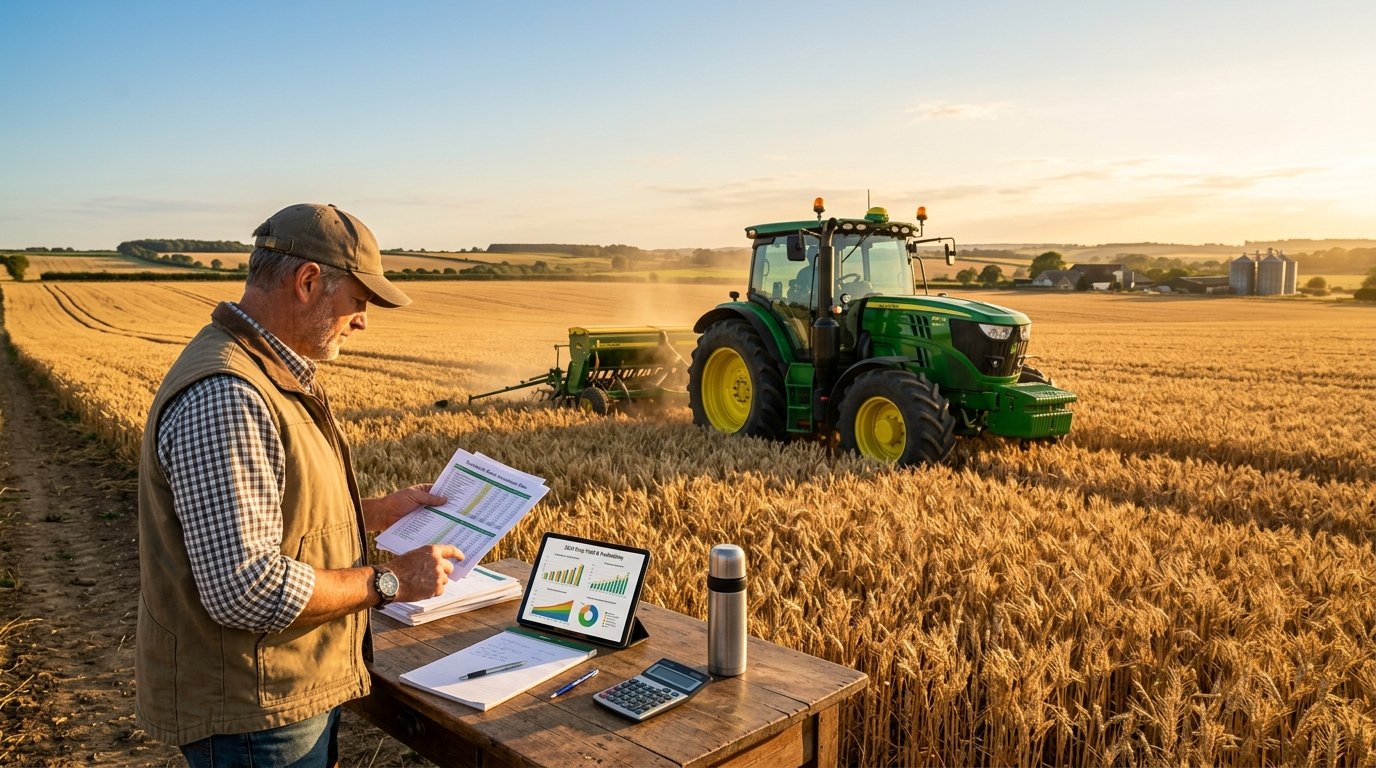
Farming in 2026 is as much a business operation as it is a way of life. Behind every successful harvest, every healthy herd, and every productive acre lies a significant investment in equipment, land, and infrastructure. Yet for most farmers — whether running a small family operation or managing thousands of acres — paying cash upfront for tractors, combines, irrigation systems, and other essential equipment simply isn’t realistic.
That’s where smart financing comes in. The right financing strategy can mean the difference between a thriving, growing operation and one that struggles under the weight of poor cash flow and bad debt decisions. In 2026, farmers have more financing options than ever before — but navigating interest rates, loan terms, dealer financing, and insurance requirements can feel overwhelming without the right guidance.
This guide breaks down everything you need to know about farm equipment financing in 2026 — from tractor loans and dealer deals to insurance considerations that protect your investment for years to come.
Why Farm Equipment Financing Matters More Than Ever in 2026
Agricultural equipment prices have continued to climb steadily, driven by advances in precision farming technology, GPS-guided systems, automation, and rising manufacturing costs. A new mid-size tractor in 2026 can easily run into six figures, while combines, sprayers, and specialized harvesting equipment often cost even more.
At the same time, interest rate environments and commodity price volatility mean that farmers need to be more strategic than ever about how they finance major purchases. Locking in the right rate, choosing the right loan structure, and protecting the investment with proper insurance coverage can save tens of thousands of dollars over the life of the equipment.
For many operations, equipment financing isn’t just about acquiring machinery — it’s a core part of overall farm financial strategy, affecting tax planning, cash flow management, and long-term profitability.
Types of Farm Equipment Financing Available in 2026
1. Dealer Financing
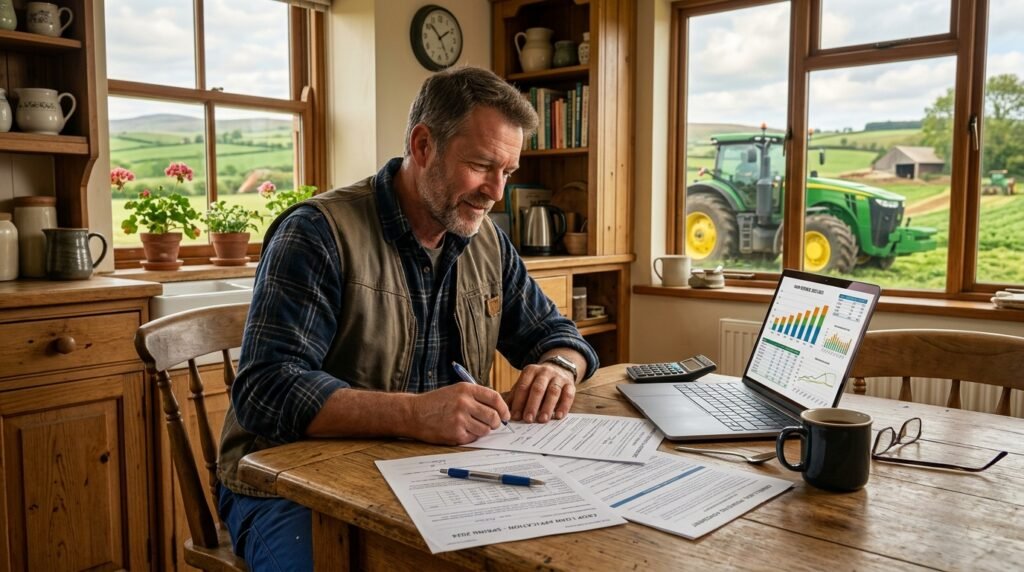
Most major equipment manufacturers — including John Deere, Case IH, New Holland, and Kubota — offer in-house financing programs through their financial services divisions. These programs are often the most convenient option since financing can be arranged directly at the point of sale.
Dealer financing frequently includes promotional low or zero percent interest rates during certain times of the year, particularly during off-season sales events designed to move inventory. However, these promotional rates often require excellent credit and may come with shorter repayment terms than alternative financing options.
Best for: Farmers purchasing new equipment who qualify for promotional rates and want a streamlined purchasing process.
2. Farm Credit System Loans
The Farm Credit System is a nationwide network of borrower-owned lending institutions specifically created to serve agricultural borrowers. In 2026, Farm Credit associations continue to offer some of the most competitive and farmer-friendly financing terms available, including flexible repayment schedules aligned with seasonal cash flow and fixed or variable rate options.
Because Farm Credit lenders specialize exclusively in agriculture, their loan officers typically understand the unique cash flow patterns and risks of farming operations far better than traditional banks, which can translate into more flexible underwriting and better overall terms.
Best for: Established farm operations seeking long-term relationships with agriculture-focused lenders.
3. USDA Farm Service Agency Loans
The USDA Farm Service Agency (FSA) offers several loan programs specifically designed to support farmers, including beginning farmers, who may not qualify for conventional financing. FSA equipment loans often feature lower interest rates and more flexible credit requirements than commercial lenders.
In 2026, FSA continues to prioritize support for beginning farmers, socially disadvantaged farmers, and small to mid-size operations through targeted loan programs and guarantee initiatives that reduce risk for participating commercial lenders.
Best for: Beginning farmers, small operations, and those who may not qualify for conventional bank financing.
4. Traditional Bank and Credit Union Loans
Local and regional banks, as well as agricultural credit unions, remain a solid option for equipment financing. While they may not specialize exclusively in agriculture, many community banks in farming regions have deep experience working with local agricultural borrowers and can offer competitive rates, especially for farmers with strong existing banking relationships.
Best for: Farmers with established banking relationships and strong credit profiles seeking personalized service.
5. Equipment Leasing
Leasing has become an increasingly popular alternative to traditional purchase financing, particularly for high-tech equipment that depreciates quickly or becomes outdated as new technology emerges. Leasing typically requires lower upfront costs and can include maintenance packages, making it attractive for farmers who want to upgrade equipment regularly without the burden of ownership and resale.
Best for: Operations that want to stay current with the latest technology and prefer predictable, lower monthly payments over ownership.
Comparing Loan Terms: What Farmers Should Look For
When evaluating financing offers in 2026, farmers should carefully compare several key factors beyond just the headline interest rate:
Interest rate type: Fixed rates provide payment predictability, while variable rates may start lower but carry the risk of increasing over the loan term.
Loan term length: Longer terms reduce monthly payments but increase total interest paid over the life of the loan. Shorter terms cost more monthly but save significantly on total interest.
Down payment requirements: Some lenders require 10 to 20 percent down, while certain government-backed programs may require less.
Prepayment penalties: Always check whether early payoff triggers additional fees, especially if you anticipate strong harvest years that could allow faster repayment.
Seasonal payment structures: The best agricultural lenders offer payment schedules aligned with harvest income rather than standard monthly payments, which can significantly ease cash flow pressure during planting season.
The Critical Role of Farm Equipment Insurance
Financing a major equipment purchase is only half the equation — protecting that investment through proper insurance coverage is equally essential. Farm equipment insurance in 2026 typically falls into several categories:
Physical Damage Coverage
This protects against fire, theft, vandalism, and collision damage to tractors, combines, and other machinery. Given the six-figure price tags of modern farm equipment, this coverage is essential for protecting your financial investment.
Equipment Breakdown Coverage
Mechanical and electrical breakdowns can be extraordinarily expensive to repair, particularly for equipment loaded with modern computerized and GPS-guided systems. Equipment breakdown coverage helps offset these repair costs, which can otherwise devastate a farm’s operating budget during critical planting or harvest windows.
Liability Coverage
If farm equipment causes property damage or injury — particularly when operated on public roads during transport between fields — liability coverage protects the farm from potentially devastating legal and financial consequences.
Gap Insurance
For financed equipment, gap insurance covers the difference between what is owed on the loan and the equipment’s actual cash value if it is totaled or stolen, which is particularly important during the early years of a loan when depreciation outpaces loan payoff.
Tips for Getting the Best Financing Deal in 2026
Shop multiple lenders: Don’t settle for the first financing offer. Compare dealer financing, Farm Credit options, and traditional bank loans to find the best overall terms.
Time major purchases strategically: Many dealers offer the best promotional financing rates during off-season sales events in late fall and winter when equipment sales typically slow down.
Maintain strong financial records: Lenders favor borrowers who can demonstrate consistent income, solid debt-to-income ratios, and well-organized farm financial statements.
Consider total cost of ownership: Factor in insurance, maintenance, fuel, and depreciation alongside financing costs when evaluating whether new or used equipment makes more financial sense.
Explore used and certified pre-owned equipment: Dealer-certified used equipment often comes with warranties and can offer substantial savings while still qualifying for competitive financing rates.
Bundle insurance and financing: Some lenders offer discounted rates when insurance is bundled with the loan, simplifying management and potentially reducing overall costs.
Final Thoughts
Farm equipment financing in 2026 offers more options and flexibility than ever before, but success requires careful planning, thorough comparison shopping, and a clear understanding of your operation’s cash flow and long-term goals. Whether you choose dealer financing, a Farm Credit loan, an FSA program, or traditional bank financing, the right choice can free up capital for other critical farm investments while ensuring you have the equipment needed to operate efficiently and profitably.
Pair smart financing with proper insurance coverage, and you’ll protect both your equipment investment and your farm’s financial future for years to come.






Leave a Reply