
Introduction
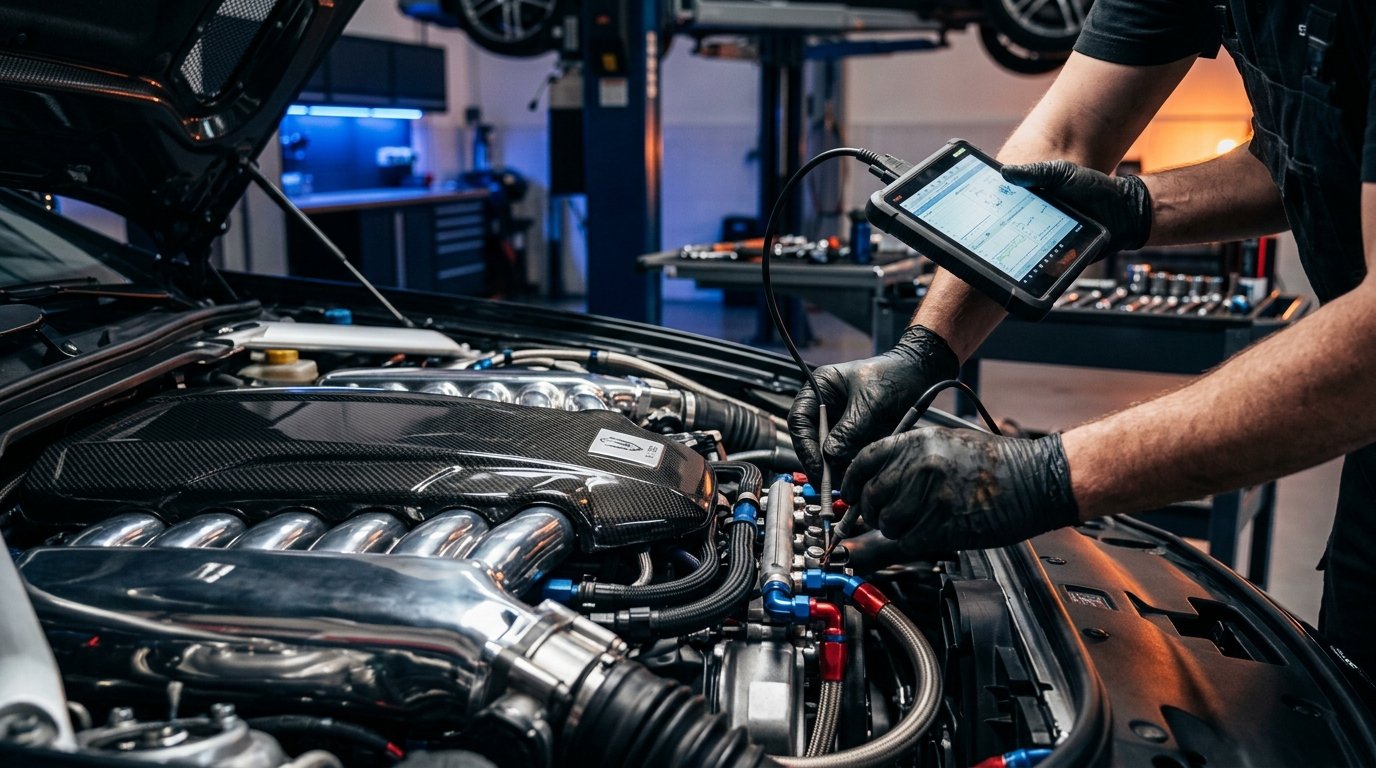
Owning a luxury car is a remarkable experience — the smooth power delivery, the refined cabin, the prestige of the badge on the hood. But beneath that polished exterior lies a complex, highly engineered powertrain that, when something goes wrong, can come with a repair bill significantly higher than what most drivers expect. In 2026, luxury car owners are discovering that engine repair costs have continued climbing, driven by increasingly sophisticated technology, specialized parts, and the labor expertise required to service these premium machines.
Whether you’re considering a luxury vehicle purchase, currently own one, or are weighing whether to repair an aging luxury car versus trading it in, understanding realistic engine repair costs by brand and model is essential for making informed financial decisions. This guide breaks down what you can genuinely expect to pay for engine repairs across the major luxury automotive brands in 2026.
Why Luxury Car Engine Repairs Cost So Much More
Before diving into specific brand costs, it helps to understand why luxury vehicle engine repairs carry such a significant premium compared to mainstream vehicles.
Specialized parts and limited availability. Luxury automakers often use proprietary components engineered specifically for their vehicles, meaning parts cannot simply be sourced from generic aftermarket suppliers. This exclusivity drives up both part costs and the time required to source them.
Complex engineering. Modern luxury engines frequently feature twin-turbocharging, advanced direct injection systems, intricate cooling architecture, and sophisticated electronic engine management — all of which add complexity, and therefore cost, when something fails.
Specialized labor requirements. Luxury vehicles typically require technicians with brand-specific training and diagnostic equipment. Independent general mechanics often lack the specialized tools and certification needed, pushing owners toward dealership service centers or certified specialists who charge premium hourly labor rates.
Smaller production volumes. Compared to mass-market vehicles, luxury cars are produced in smaller numbers, meaning parts manufacturing doesn’t benefit from the same economies of scale, keeping component prices elevated.
Engine Repair Costs by Brand
Mercedes-Benz
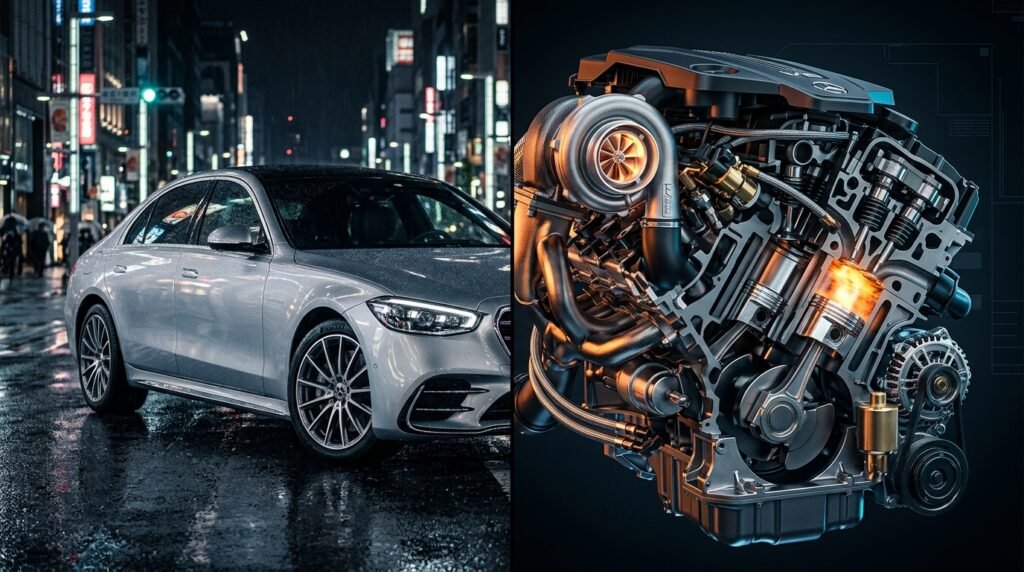
Mercedes-Benz engines are renowned for their refinement and longevity when properly maintained, but repairs can be costly when issues arise. Common problem areas include balance shaft failures, oil leaks from valve cover gaskets, and turbocharger issues on AMG performance models.
Typical repair cost range: Minor repairs such as gasket replacements often run $800 to $1,500, while major issues like balance shaft repair or turbocharger replacement can reach $3,000 to $6,000. Full engine replacement on models like the S-Class or AMG variants can exceed $15,000 to $20,000 when factoring in parts and specialized labor.
BMW
BMW engines, particularly the turbocharged inline-six and V8 units found in the 5 Series, 7 Series, and X5 models, are known for strong performance but also for certain recurring issues. Common problems include timing chain stretch, water pump and thermostat housing failures, and oil filter housing gasket leaks.
Typical repair cost range: Water pump and thermostat replacement typically runs $900 to $1,800. Timing chain repairs, which are more labor-intensive, can range from $2,500 to $5,000. In severe cases involving significant internal engine damage from timing chain failure, full engine replacement costs can reach $10,000 to $18,000.
Audi
Audi’s turbocharged engines, especially the 2.0-liter and 3.0-liter units used across the A4, A6, and Q5 lineups, generally offer strong performance but can develop carbon buildup on intake valves due to direct injection, oil consumption issues, and timing chain tensioner problems.
Typical repair cost range: Carbon buildup cleaning (walnut blasting) typically costs $600 to $1,200. Timing chain tensioner repairs range from $1,500 to $3,500. More significant issues, such as those affecting the 3.0-liter supercharged or turbocharged V6 engines, can result in repair bills of $5,000 to $12,000 for major component replacement.
Lexus
Lexus has built its reputation on exceptional reliability, and this generally extends to lower long-term engine repair costs compared to its German competitors. However, when issues do occur, repairs still carry a luxury price tag due to dealership labor rates and parts costs.
Typical repair cost range: Routine repairs such as oil leaks or sensor failures typically run $400 to $1,000. More significant issues are relatively rare, but when they occur — such as with hybrid system components in the RX or ES models — repair costs can range from $2,000 to $5,000.
Porsche
Porsche engines, particularly the flat-six units found in the 911 and the V8 engines in the Cayenne and Panamera, deliver exceptional performance but come with correspondingly high repair costs when problems arise. Known issues include intermediate shaft (IMS) bearing failures on older models, coolant pipe failures, and cylinder bore scoring.
Typical repair cost range: Routine maintenance-related repairs often start at $1,000 to $2,500. IMS bearing replacement, a well-known issue on certain model years, typically costs $2,500 to $4,000. In cases of severe cylinder bore scoring or major internal damage, full engine rebuilds or replacements can range from $15,000 to $25,000 or more.
Range Rover / Land Rover
Range Rover models have historically faced more reliability challenges than some competitors, and engine repair costs reflect this complexity. Common issues include timing chain guide wear, supercharger problems on V8 models, and coolant system leaks.
Typical repair cost range: Timing chain guide repairs typically cost $2,000 to $4,000. Supercharger-related repairs can range from $3,000 to $6,000. Major engine issues requiring substantial rebuilding or replacement can reach $10,000 to $18,000, making extended warranty coverage particularly valuable for Range Rover owners.
Rolls-Royce and Bentley
At the ultra-luxury tier, engine repairs reach an entirely different financial scale. These hand-built engines require highly specialized technicians, often flown in or requiring vehicles to be shipped to authorized service centers.
Typical repair cost range: Even routine repairs can start at $3,000 to $5,000. Major engine work, such as that involving the twin-turbocharged V12 engines found in the Ghost or Bentayga, can range from $20,000 to $40,000 or more, depending on the scope of the repair.
How to Minimize Luxury Car Engine Repair Costs
While some repair costs are unavoidable, there are several strategies luxury car owners can use to manage and minimize these expenses:
Stay current on maintenance. Many costly luxury engine failures stem from deferred maintenance — particularly timing chain, water pump, and oil-related issues. Following the manufacturer’s recommended service schedule significantly reduces the risk of catastrophic failures.
Consider an extended warranty. For vehicles outside of factory warranty coverage, a quality extended warranty or vehicle service contract can offset thousands of dollars in unexpected repair costs, particularly for brands with known reliability concerns.
Use independent specialists when appropriate. While some repairs require dealership-level expertise, many independent shops specializing in specific luxury brands offer comparable quality at lower labor rates than dealership service centers.
Research known issues before buying. Understanding common engine problems associated with specific model years before purchasing — whether new or used — allows buyers to negotiate better prices or avoid problematic model years entirely.
Maintain detailed service records. Comprehensive maintenance documentation not only helps with warranty claims but also significantly improves resale value, as buyers of used luxury vehicles place high value on verified maintenance history.
Final Thoughts
Luxury car ownership in 2026 delivers an unmatched driving experience, but it comes with the responsibility of understanding and budgeting for the realistic costs of engine repairs. From the relatively affordable maintenance profile of Lexus to the eye-watering repair bills associated with Rolls-Royce and Bentley, repair costs vary dramatically across the luxury segment.
By staying proactive with maintenance, researching brand-specific reliability patterns, and considering extended warranty protection, luxury car owners can significantly reduce the financial risk associated with engine repairs — allowing them to enjoy the prestige and performance of their vehicle without unwelcome financial surprises.








Leave a Reply